A1 size in cm, inches and pixels
A1 size in cm is 59.4 × 84.1, which is 594 × 841 mm and 23.39 × 33.11 inches.
Shopping for a frame in the United States? Check the exact opening in inches. A-series paper is a different shape from US Letter (8.5 × 11 inches) and Tabloid (11 × 17 inches). A paper-size reference does not mean every size is sold in our store.
A1 is 594 × 841 mm, which is 59.4 × 84.1 cm and 23.39 × 33.11 inches.
A1 size in cm, and in inches and pixels
| Millimeters | 594 × 841 mm |
|---|---|
| Centimeters | 59.4 × 84.1 cm |
| Inches | 23.39 × 33.11 in |
| Pixels at 72 dpi | 1684 × 2384 px |
| Pixels at 150 dpi | 3508 × 4967 px |
| Pixels at 300 dpi | 7016 × 9933 px |
A1 is A0 folded once. How the A series is defined is on the hub.
What A1 is good for
A1 is poster territory: big enough to hold a wall on its own and read from across a room. It is the size to choose when the print is the thing you want people to look at rather than something that sits politely beside the shelves. At 300 dpi it wants 7016 × 9933 pixels, so check your file against the table above before you commit to it.
How the A series reaches A1
A0 is the whole sheet: 841 × 1189 mm, which is a shade under a square meter and is the only figure in the series anybody had to choose. Everything after it is a fold. Halve A0 across its longer side and you get A1 at 594 × 841 mm, and the thing worth noticing is that the shorter side of A0 has become the longer side of A1 unchanged. That is the trick the whole series turns on: the proportion is 1 to the square root of 2, the one shape that still has the same proportion after being cut in half.
Here is the part every other size chart glosses over, and A1 is where it bites hardest. Two A2 sheets side by side are 840 mm across; A1 is 841. That single millimeter puts their combined area at 498,960 mm² against A1's 499,554, so A1 is not quite two A2s and A0 is not quite two A1s. The shape is preserved and the fit is not. Why that happens to some sizes and not others is on the hub. It still means an image composed for one A size drops onto another without recropping, which is the practical reason the series outlasted its rivals — but if you are butting two sheets together, that millimeter is real.
Will your file carry A1?
Print size and pixel count are joined by one division: pixels divided by dpi gives you inches. At 300 dpi, A1 wants 7016 × 9933 pixels, which is around 70 megapixels — more than most phones and cameras produce. At 150 dpi the same sheet needs 3508 × 4967, which is well within reach of a good photograph.
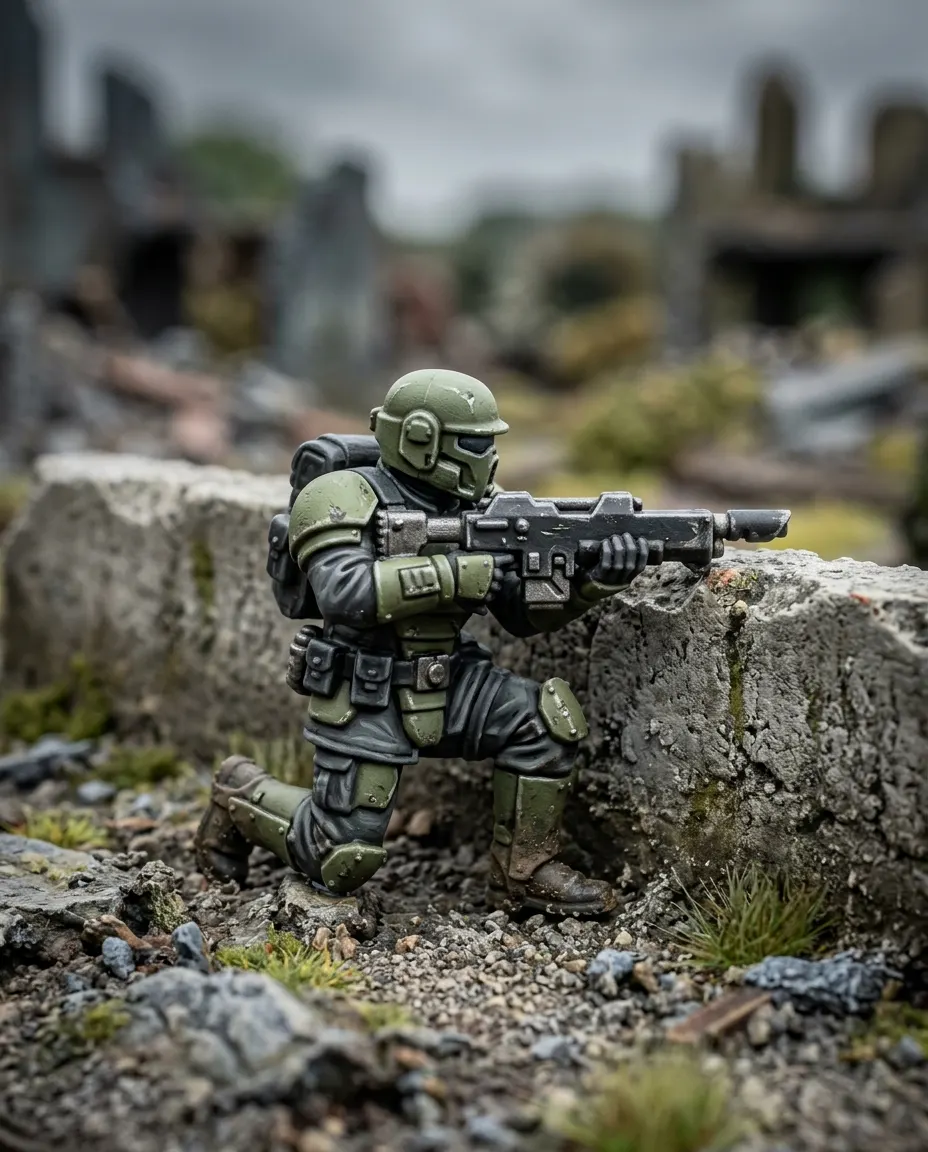
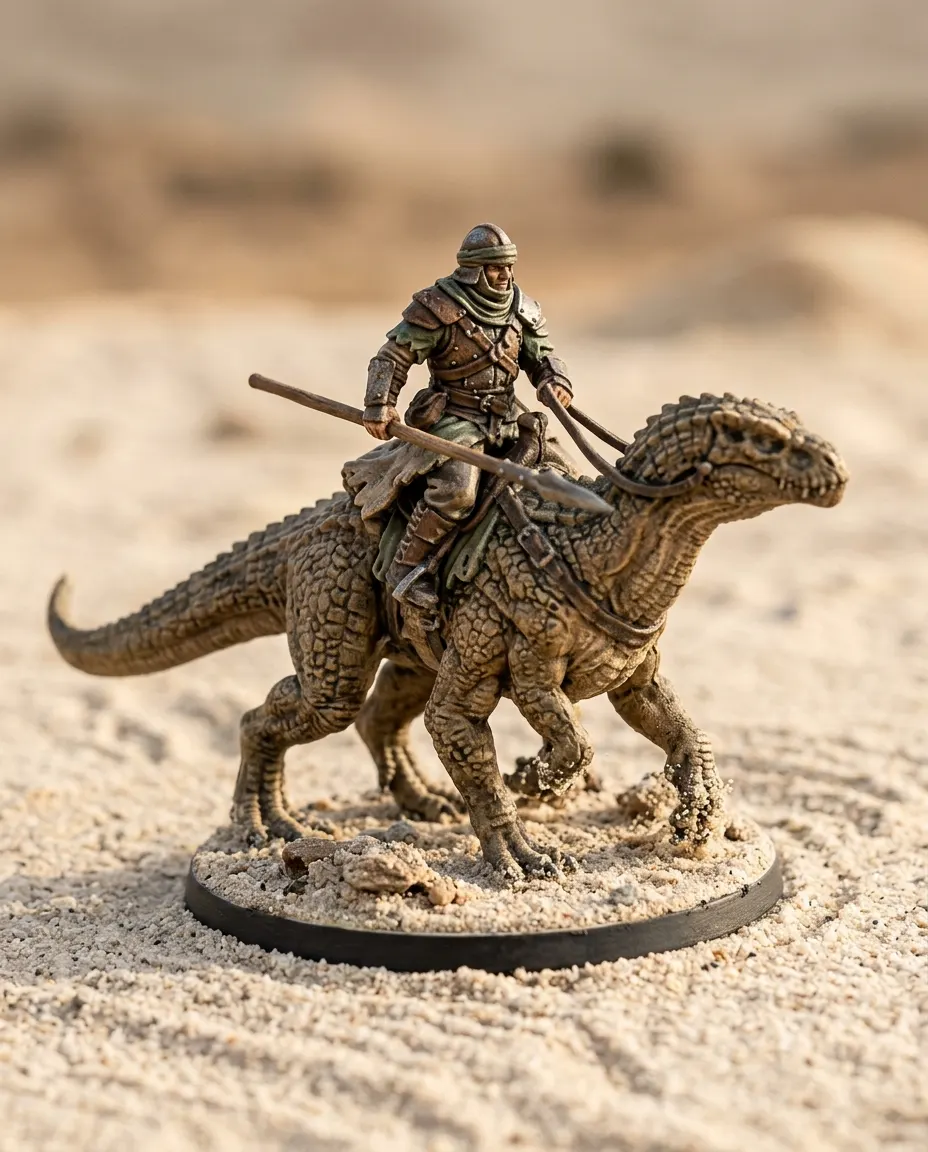
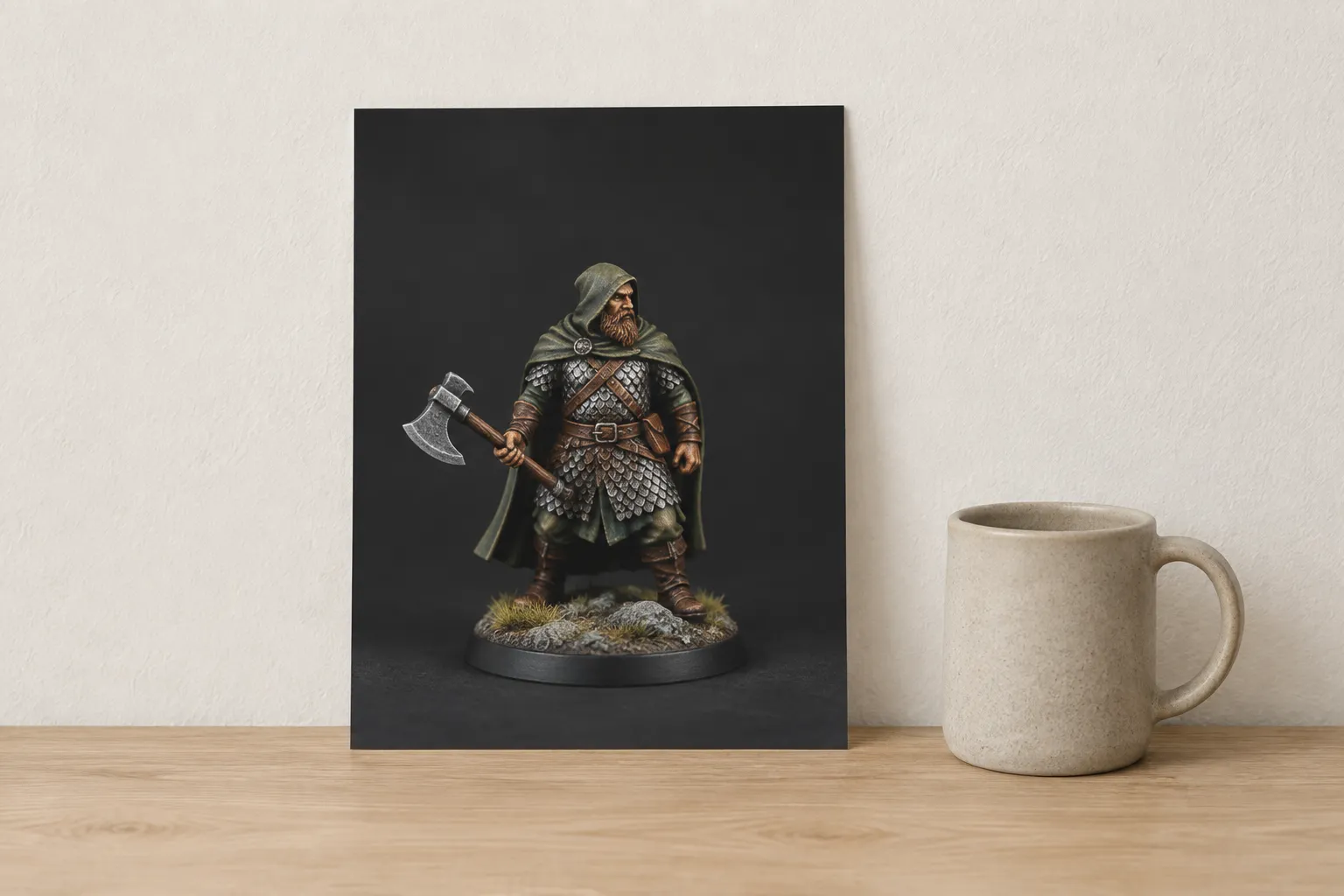
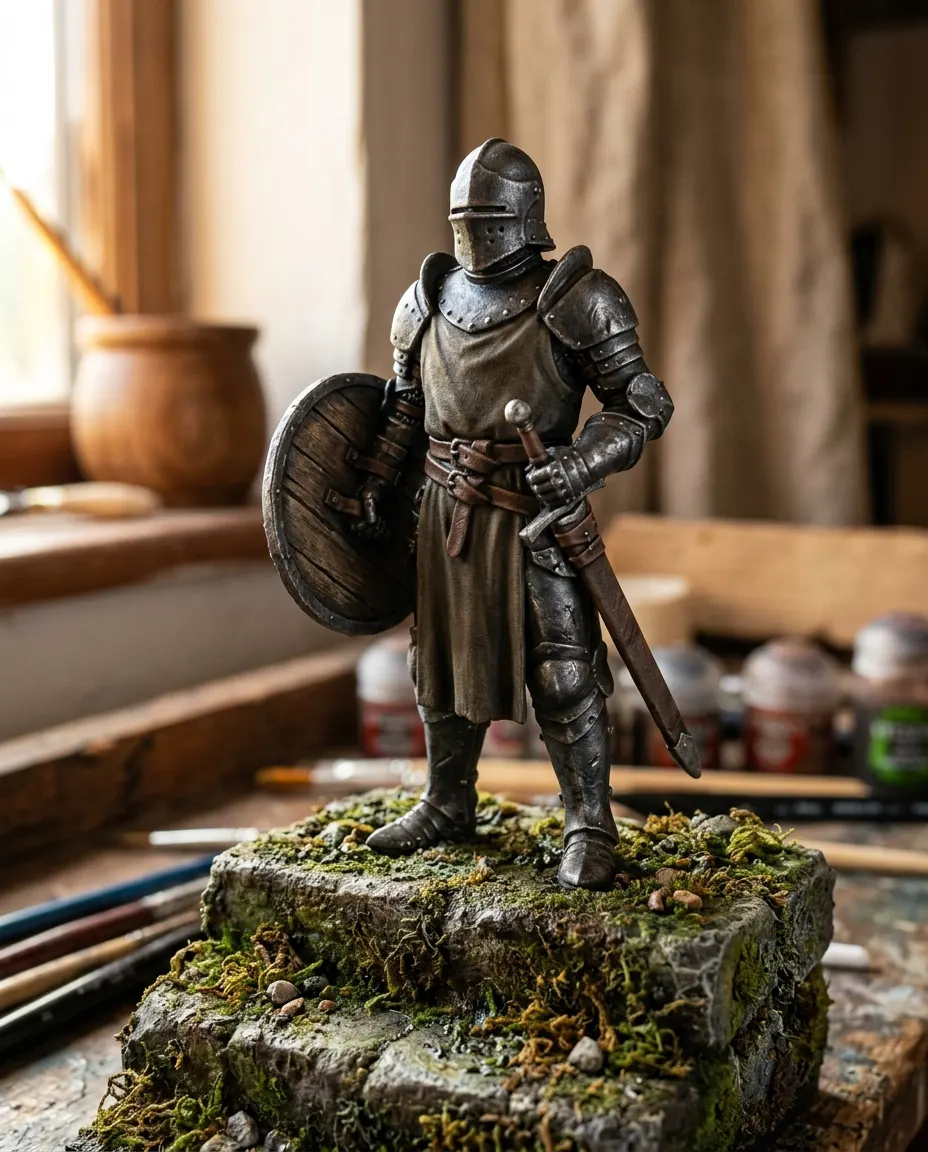
That is not a reason to avoid A1. A sheet this size is read from across a room, and the distance does the work that resolution does on a desk print. What matters more is that the original is sharp where it counts: a photograph of a painted figure that was slightly soft at the eyes will be conspicuously soft at A1. The upload step measures your file and withdraws the sizes it cannot print sharply, so you are never offered A1 on a file that will not hold it. The miniature photography guide covers getting the source photograph right in the first place.
A1 against the sizes we actually print
Nothing in the catalog is cut to A1, and the nearest thing to it is the 70 × 100 cm poster. That sheet is 106 mm wider and 159 mm taller than A1, and 1.4 times the area, so it is not a substitute you can frame in an A1 frame — it is simply the biggest wall print we make. If you specifically need A1 because you already own the frame, the honest answer is that we cannot supply it.
Check the US product size
Compare the available US sizes and USD product prices before ordering. Shipping is calculated at checkout for your cart and US address; an expedited rate appears when available.
Size references
ISO 216 defines the A and B paper-size series. Inch conversions use NIST’s exact definition of one inch as 25.4 mm. These are reference sizes; compare the US print sizes actually available before ordering.
Pixel and print-size converter
| Size | Millimetres | 72 dpi | 150 dpi | 300 dpi |
|---|---|---|---|---|
| A1 | 594 × 841 mm | 1684 × 2384 px | 3508 × 4967 px | 7016 × 9933 px |
| A2 | 420 × 594 mm | 1191 × 1684 px | 2480 × 3508 px | 4961 × 7016 px |
| A3 | 297 × 420 mm | 842 × 1191 px | 1754 × 2480 px | 3508 × 4961 px |
| A4 | 210 × 297 mm | 595 × 842 px | 1240 × 1754 px | 2480 × 3508 px |
| A5 | 148 × 210 mm | 420 × 595 px | 874 × 1240 px | 1748 × 2480 px |
Pixels ÷ dpi gives inches, and that is the whole calculation. Three hundred dpi is a convention for things held close, not a rule; a print read from across a room is untroubled at 150. Every size above is worked from the ISO 216 definition — A0 is 841 × 1189 mm and each size halves the longer side, rounded down to whole millimetres.
Good to know
What size is A1 in cm?
A1 is 59.4 × 84.1 cm, or 594 × 841 mm.
What is A1 in inches?
23.39 × 33.11 inches.
How many pixels is A1 at 300 dpi?
7016 × 9933 pixels. At 150 dpi it is 3508 × 4967, and at 72 dpi 1684 × 2384.
Is A1 bigger than A2?
Yes, and very nearly double: A1 covers 499,554 mm² where A2 covers 249,480. It is not quite exact, because ISO 216 rounds each halving down to whole millimeters and two A2 widths come to 840 mm against A1’s 841.