Orc name generator
This orc name generator puts orc names together the way a war-band would: a short, hard given name, then a clan, then an epithet earned the loud way. Press the button for twelve, or untick the parts you don’t need.
Choose traditions, length or first letter (optional)
Suggestions only. The syllables and words here were written for this page, and every name they can build is checked against a list of names belonging to published settings. Take any of them for a game or a painted model. These patterns reach 113,415 distinct names. It will not run out.
Jump to a section · 5 sections
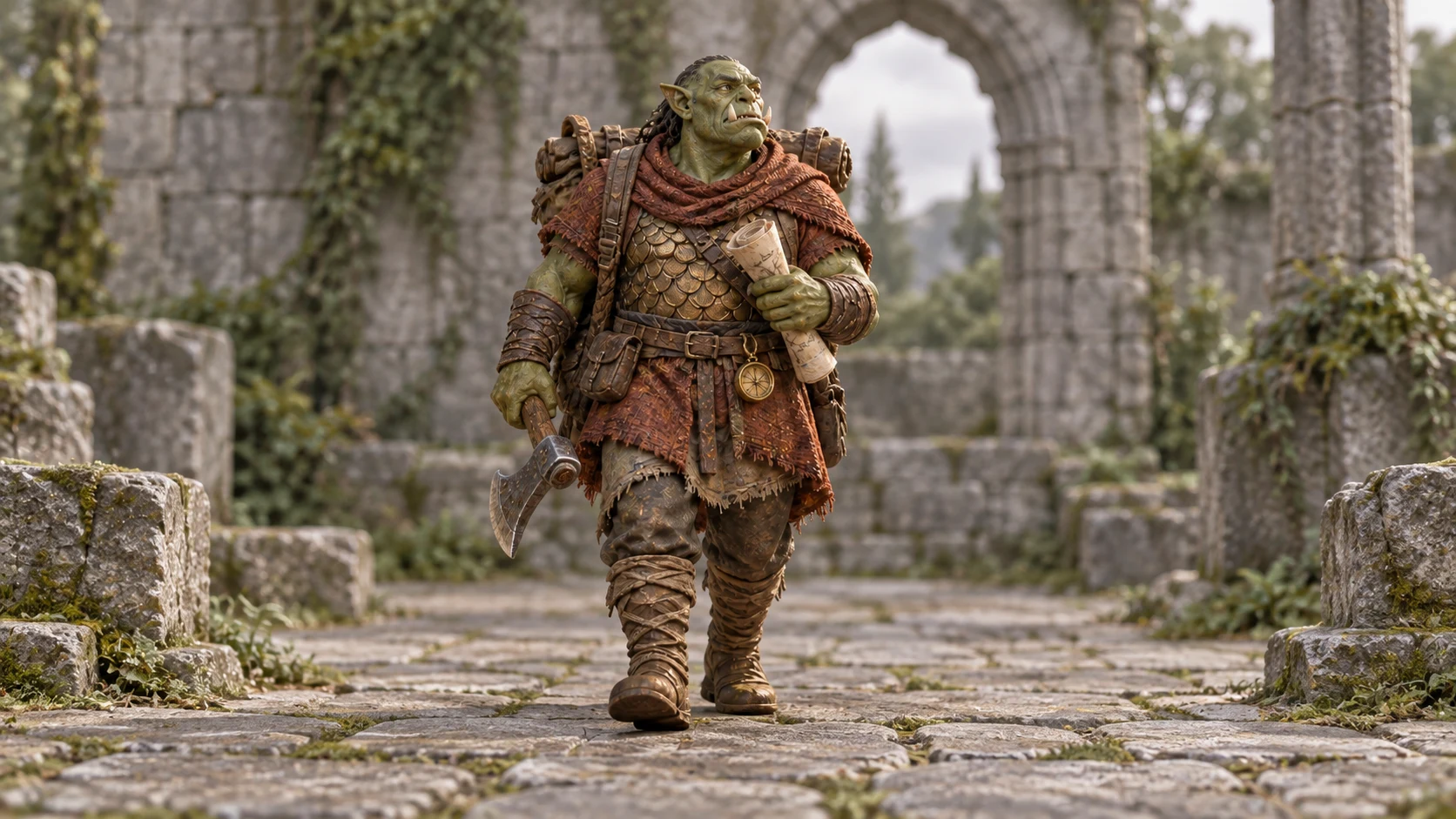
Orc names are short and hard, made to be shouted. Most are one or two syllables, closed off with a consonant, and built from the growling end of the alphabet: g, k, r, z and the throaty gh and kh. A good one sounds like a threat and still fits on the rim of a shield.
How the orc name generator builds each name
Every given name on this page is two pieces joined: a heavy opening such as Karsh or Zharn and an ending such as og or urz. That gives you Karshog and Zharnurz before anything else is added. On top sit the things orcs collect over a career: a clan, an epithet and, with luck, a war-band to lead.
Clan names are two plain English words pushed together, the way a nickname hardens into a family name: Drossjaw or Mudtusk. Epithets are earned and slightly embarrassing, like Kettle-Thief or Nine-Toes. War-bands take a sign and a grudge, so you get the Rusted Nails, or Karshog’s Hooks. Untick any of these to leave them out.
| Part | Pieces | Name |
|---|---|---|
| Given name | Karsh + og | Karshog |
| Clan | Dross + jaw | Karshog Drossjaw |
| Epithet | a deed | Zharnurz Kettle-Thief |
| War-band | a sign and a grudge | The Rusted Nails |
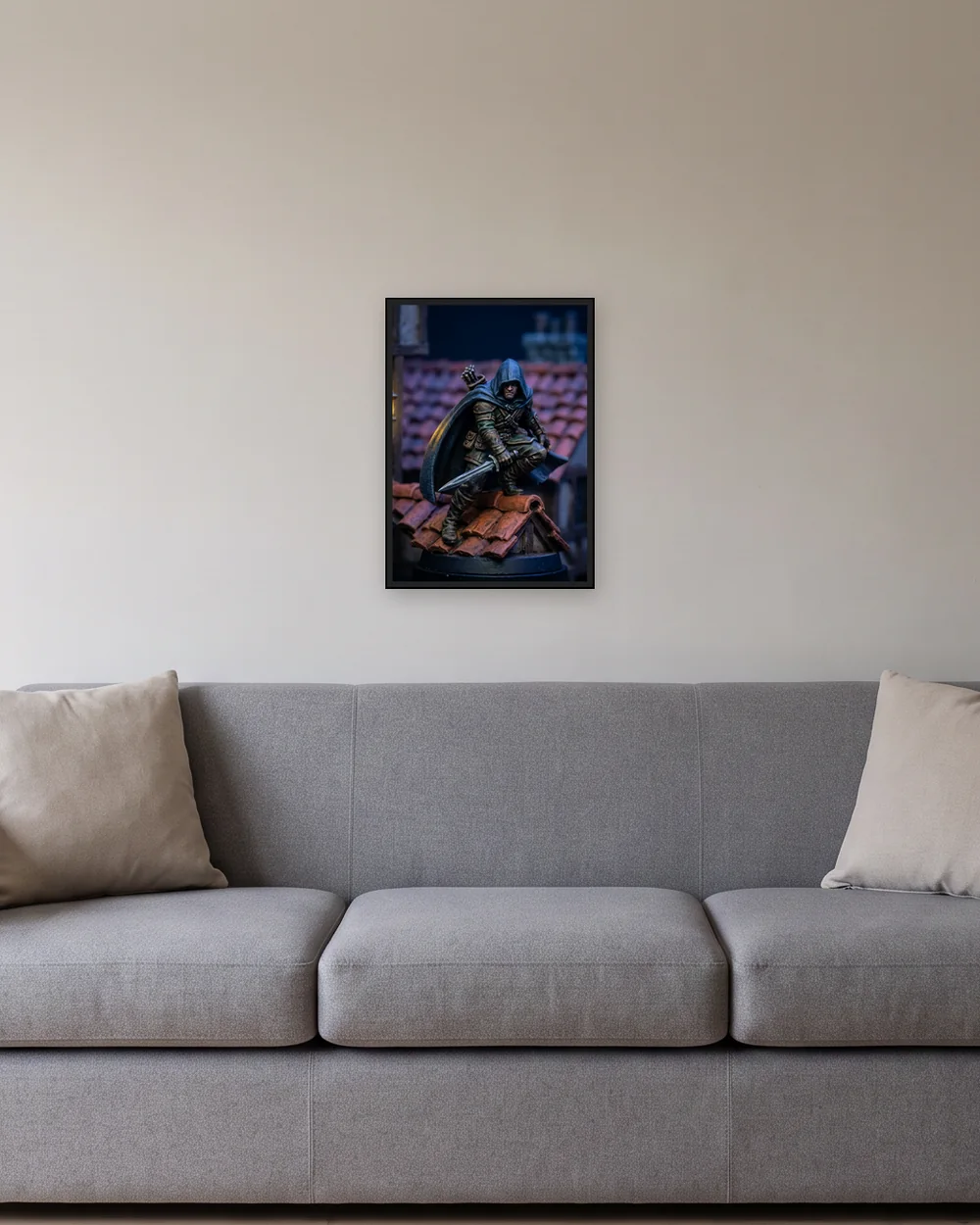
What makes a name sound orcish
It comes down to where the sounds sit in the mouth. Hard stops such as k, g and d close the throat, and r and z rattle. Short vowels like u and o keep the whole thing low. Put a cluster at the front, gr or thr, close the syllable with a consonant, and almost anything turns hostile. Compare Elowen with Thurgrak. Say both out loud and the difference is in your throat before you’ve thought about it.
Two syllables are plenty. An orc in a game gets yelled across the table, so a name that fits in one breath survives. Apostrophes look fierce on paper and vanish in speech, which is why you won’t find one inside any name here.
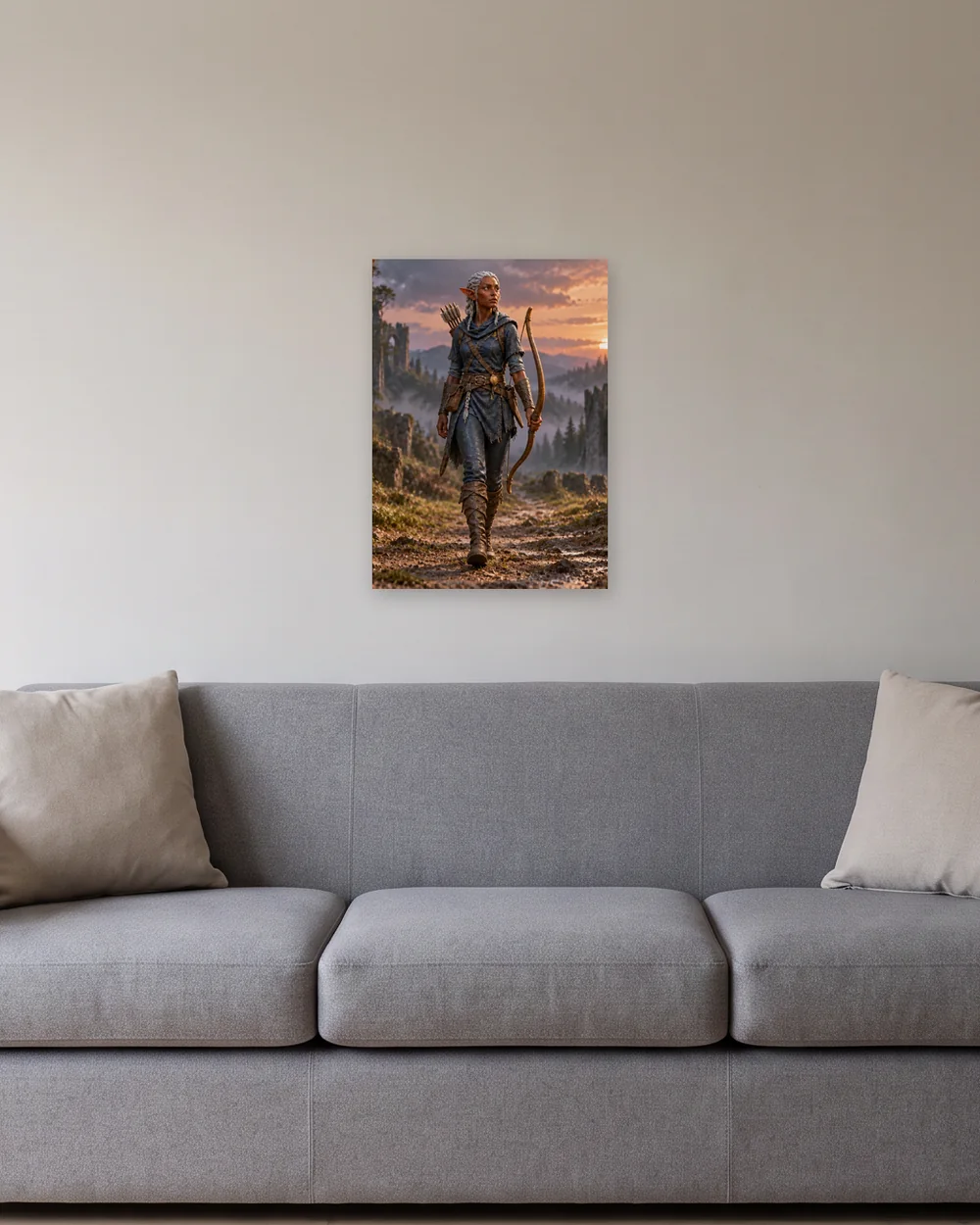
Clans, epithets and war-bands
Real warriors collected names the same way. Norse rulers were known by their by-names, such as Sweyn Forkbeard and Thorkell the Tall. Some flattered and some plainly didn’t, and that mix is what makes an orc epithet work. Bridge-Breaker tells you about a good day. Half-Ear tells you about a bad one, and your orc wears both with the same pride.
A clan name does a different job. It tells the party where the orc comes from and who will come looking for it. Give every orc in one clan the same second word and a whole war-band starts to feel like a family.
An old word for a monster
The word is older than any game. The Old English poem Beowulf lists orcneas among the monsters descended from Cain, in the same line as giants and elves, and Latin had Orcus, a god of the dead. Neither tells you much about naming. Both explain why the word has always sounded like something you would not want to meet on a dark road.
Make your own orc name
| Hard opening | Short vowel | Closing consonant | Name |
|---|---|---|---|
| Br | u | g | Brug |
| Vr | a | k | Vrak |
| Sh | o | g | Shog |
| Th | u | rg | Thurg |
- Start with a hard cluster: Br, Gh, Kr, Thr or Vr.
- Add one short vowel and close it off: Brug or Vrak.
- Add a second syllable only if the first is too short to shout.
- Leave the epithet until the orc has done something to earn it.
Painting the orc as well as playing it? How to paint miniatures covers priming, base coats, shading and highlights, and green skin rewards every one of them. For dwarves, elves and humans, the main fantasy name generator has the rest of the cast.
Questions and answers
What are some good orc names?
Short ones you can shout. From the generator: Brugash, Karshog Drossjaw, Thurgrak the Bridge-Breaker and Zharnurz of the Mudtusk. Each press gives twelve more, mixing given names, clans, epithets and war-bands.
How do you come up with an orc name?
Start with a hard consonant cluster such as Br or Thr, add a short vowel, and close the syllable with g, k or z. One or two syllables is enough. Then give the orc a clan, and wait for play to hand you an epithet.
What is a good name for an orc clan?
Something blunt and physical made from two plain words: Drossjaw, Cindertusk, Gritgut, Ashfist. Clan names work best when every member shares the second word, so the family is obvious from across a battlefield.
Do orc names mean anything?
Invented ones mean whatever you decide. The clan names and epithets in this generator are plain English on purpose, so a player can guess what Nettleback or Kettle-Thief says about an orc without being told.